
A Toronto animation studio can support a much broader set of projects than entertainment alone. Toronto companies, enterprises, agencies, universities, healthcare organizations, manufacturers, nonprofits, government bodies, and public-sector teams all use animation to make complex information easier to understand. The city has a strong screen-production and digital-media ecosystem, but that does not mean every Toronto […]
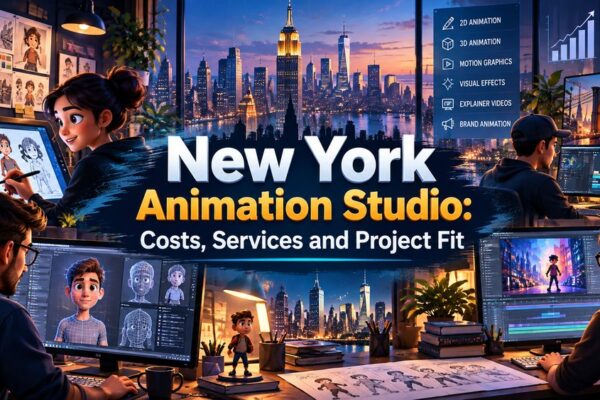
A New York animation studio can serve very different kinds of clients because New York’s creative economy is not limited to film and entertainment. The city is also a major center for finance, advertising, media, technology, healthcare, real estate, fashion, education, nonprofits, and professional services. That diversity changes what “animation studio New York” searches often […]

Choosing a California animation studio is less about finding the most famous name in the state and more about matching a production team to the project. California has one of the deepest creative-production ecosystems in the world. Los Angeles and Burbank are strongly associated with film, television, advertising, visual effects, and character animation. The Bay […]
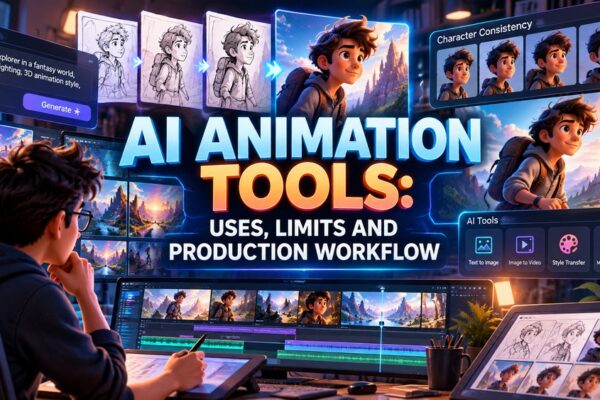
AI animation tools are changing how motion content is planned, generated, revised, and versioned. They can turn text prompts into video, animate reference images, extend shots, generate backgrounds, create motion tests, support storyboarding, and accelerate parts of post-production. But AI animation is not one single tool category, and it is not a replacement for every […]

Animation Los Angeles buyers are usually not looking for animation in the abstract. They are trying to solve a production problem inside one of the world’s most competitive creative markets. A Los Angeles company may need: A cinematic commercial A 3D product launch A character-driven campaign A trade-show video A motion-graphics explainer A television or […]

Effective Public sector animation solves challenges which Government agencies, public-sector organizations, and NGOs often face; a communication problem, which private-sector brands often do not encounter in quite the same way: The information is important, but it is not always easy to explain. A new policy may contain dozens of pages of technical language. A public […]