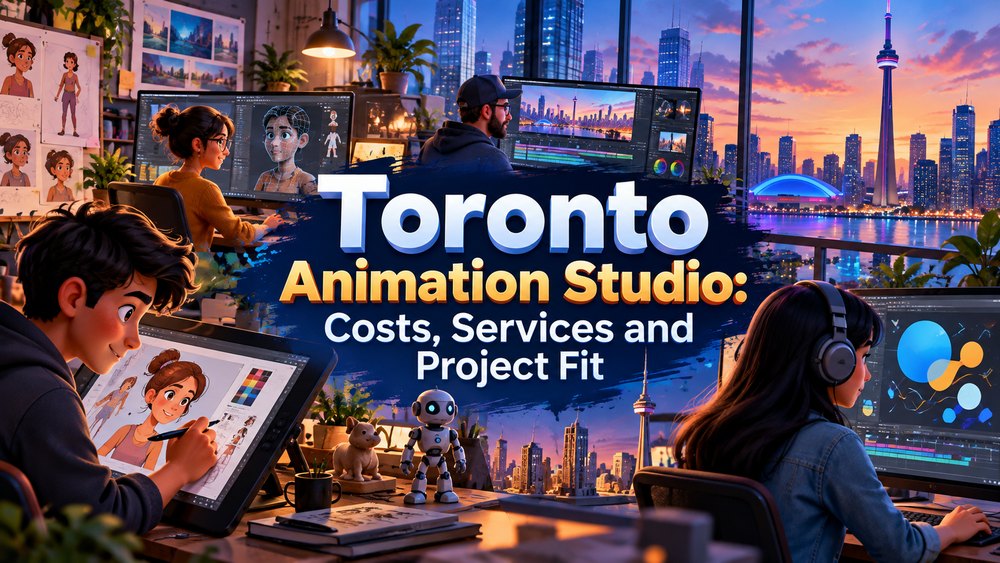
A Toronto animation studio can support a much broader set of projects than entertainment alone. Toronto companies, enterprises, agencies, universities, healthcare organizations, manufacturers, nonprofits, government bodies, and public-sector teams all use animation to make complex information easier to understand. The city has a strong screen-production and digital-media ecosystem, but that does not mean every Toronto […]
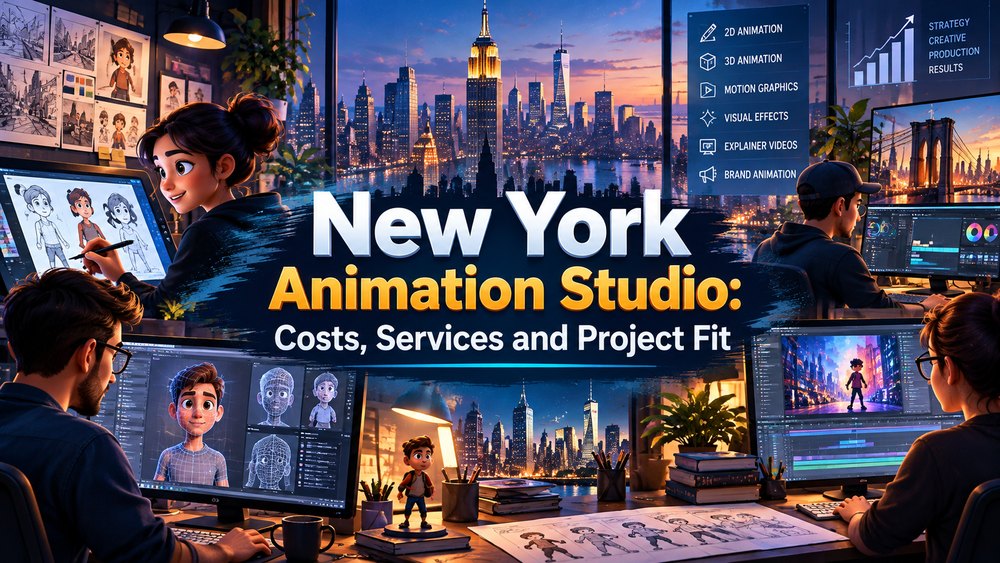
A New York animation studio can serve very different kinds of clients because New York’s creative economy is not limited to film and entertainment. The city is also a major center for finance, advertising, media, technology, healthcare, real estate, fashion, education, nonprofits, and professional services. That diversity changes what “animation studio New York” searches often […]
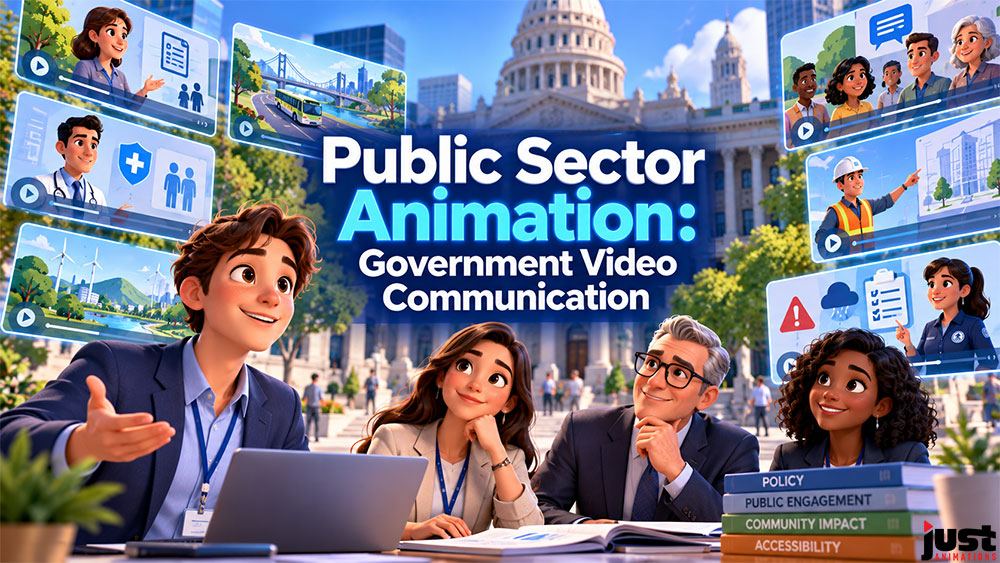
Effective Public sector animation solves challenges which Government agencies, public-sector organizations, and NGOs often face; a communication problem, which private-sector brands often do not encounter in quite the same way: The information is important, but it is not always easy to explain. A new policy may contain dozens of pages of technical language. A public […]
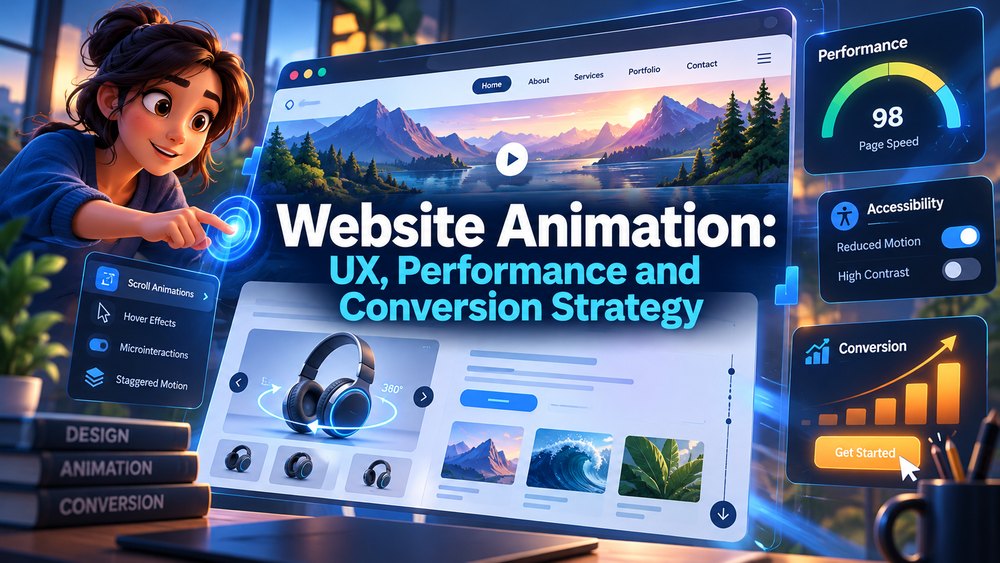
Website animation can make a digital experience easier to understand, more responsive, and more memorable when motion is tied to a clear user goal. It can also slow a page down, distract visitors, create accessibility problems, or make a website feel unnecessarily complicated when animation is added without purpose. That makes website animation a UX […]
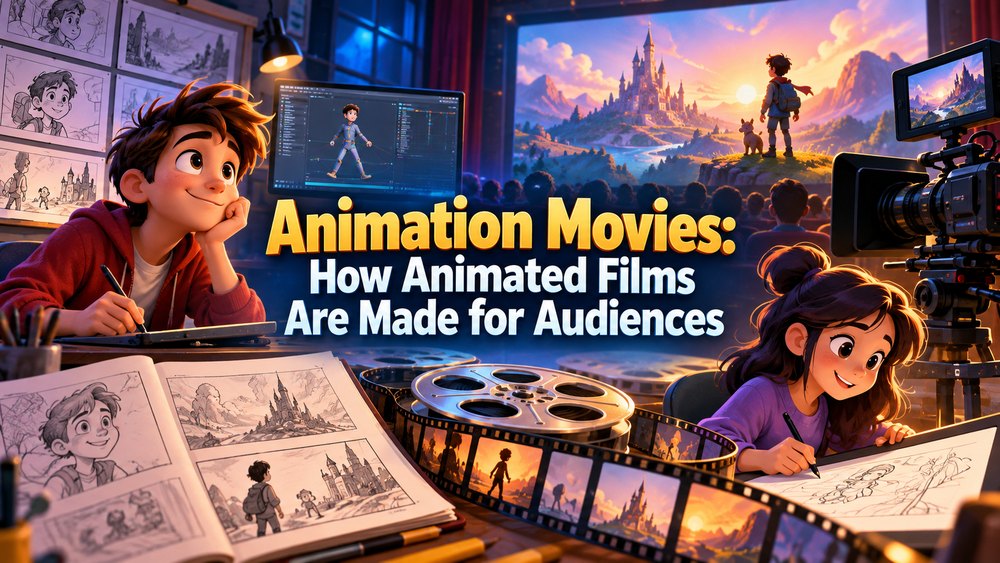
Animation movies are built through a long chain of creative and technical decisions. A finished animated film may look effortless on screen, but the production behind it can involve story development, visual research, character design, storyboarding, voice performance, asset creation, animation, lighting, effects, editing, sound, and final delivery. For audiences, the result is a movie. […]
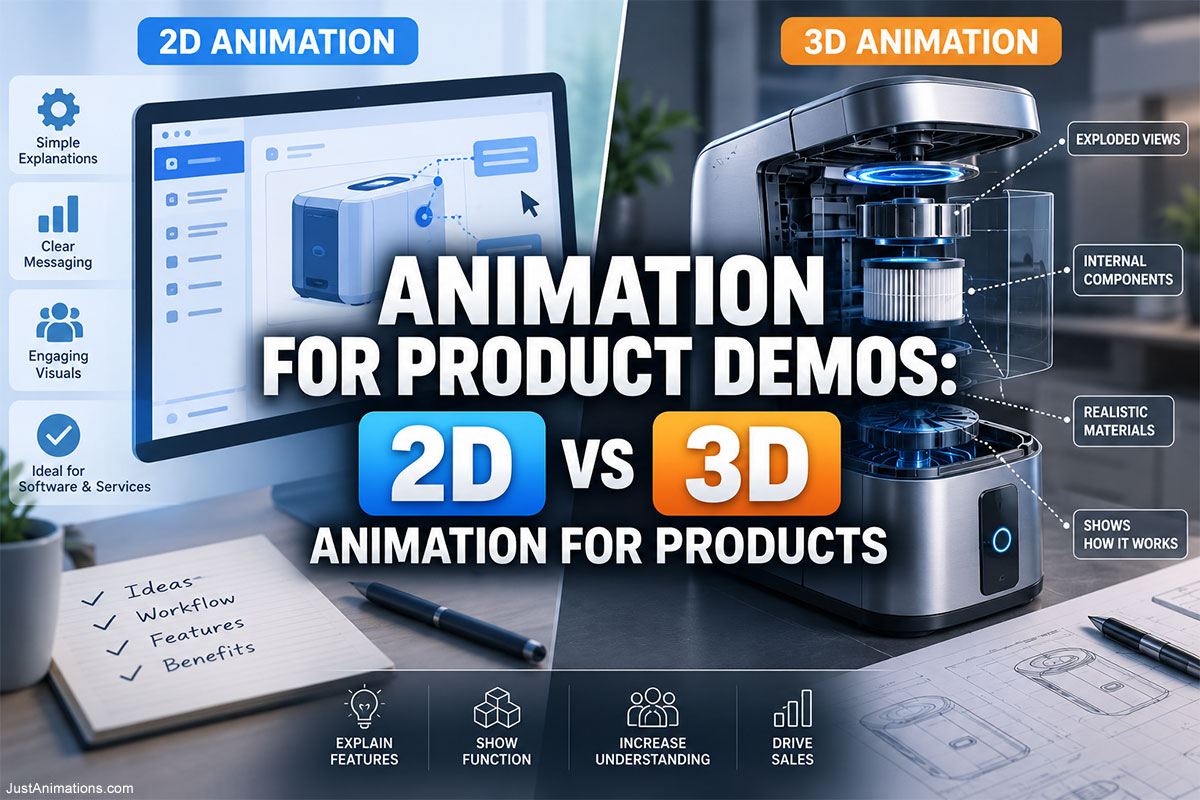
Animation for product demos can show customers what a product does, how it works, what happens inside it, how features connect, and why those features matter—without relying entirely on live-action filming. But there is an important decision to make before production begins: Should the product demo use 2D animation, 3D animation, or a combination of […]
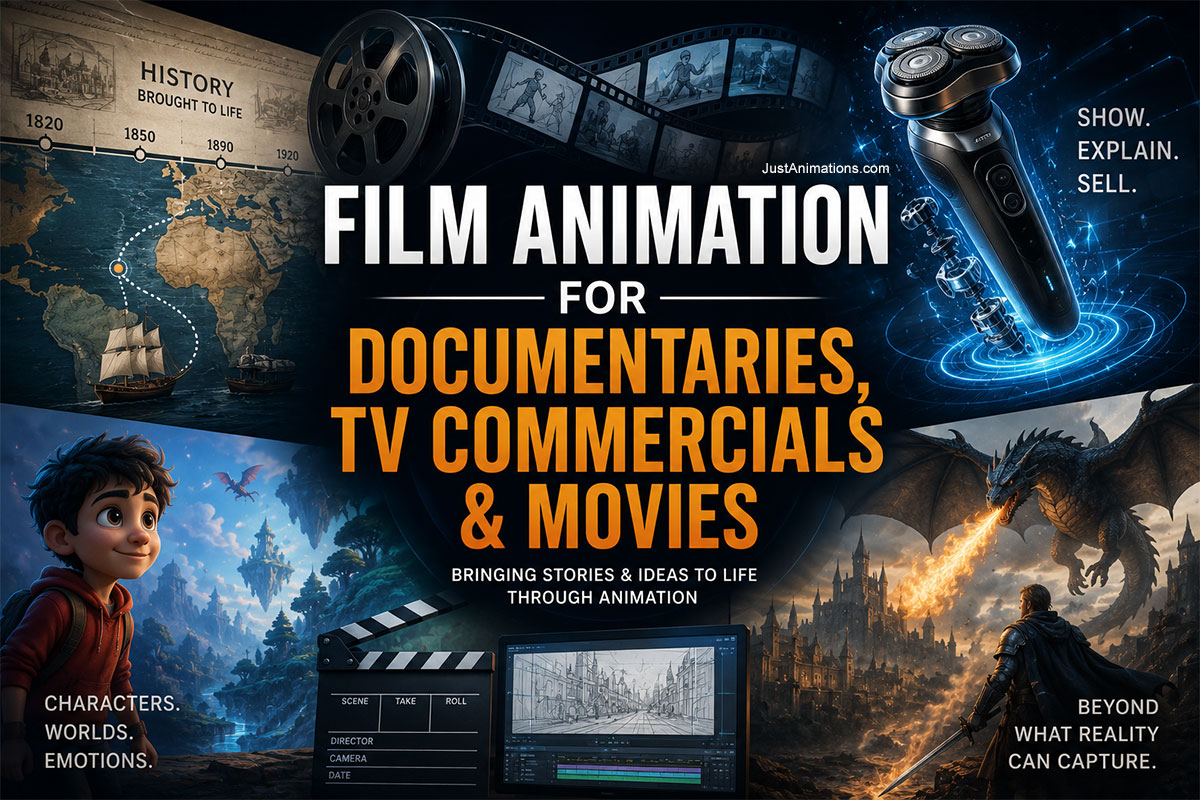
Film animation allows filmmakers, advertisers, documentary producers, businesses, and entertainment companies to create scenes that cameras alone cannot capture. A documentary can reconstruct an event for which no footage exists. A television commercial can transform an ordinary product into a cinematic visual experience. A movie can create an entire world, character, creature, environment, or visual […]
Animation is art because it combines drawing, painting, sculpture, design, movement, cinematography, music, sound, storytelling, and technology to create something that could not exist in exactly the same way in any other medium. An animator does not simply make an image move. Every frame can involve artistic decisions about: Composition Color Shape Light Timing Perspective […]
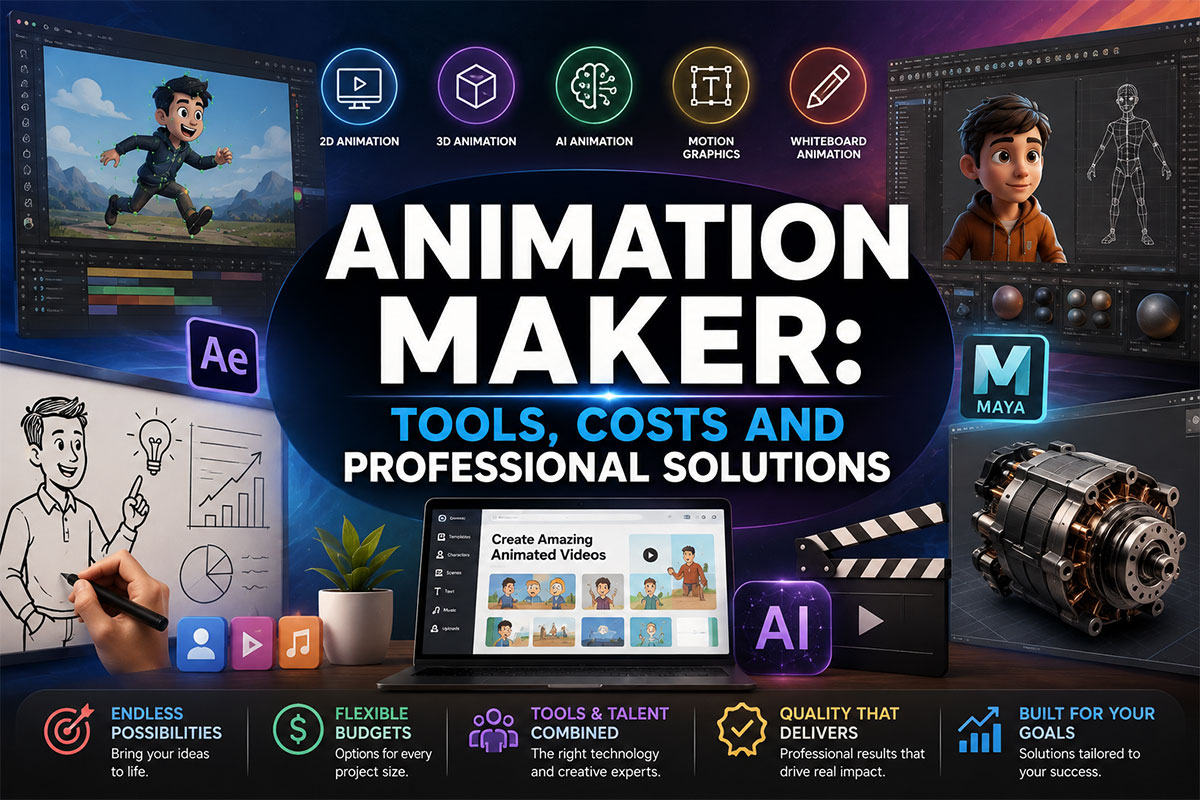
An animation maker can mean very different things depending on who is using the term. For one person, an animation maker may be a simple online tool used to create a short social media video. For another, it may refer to professional animation software used by experienced artists. A business may use the term when […]
If you’re wondering how to hire a professional animator for a project it can be daunting. Hiring the right animator can determine whether an animation becomes a valuable business asset or an expensive project that never quite communicates what you intended. A professional animator does more than make objects move. Depending on the project, the […]